The Importance of Relaxation: A Foundation for a Fulfilling Life
Relaxation has always been considered a crucial element of our health and well-being. Throughout history, people have sought various ways to relax and restore their inner balance, recognizing the profound benefits of this practice on the body, mind, and soul.
Since the earliest times, different cultures and traditions have encouraged and practiced various forms of relaxation, such as meditation, yoga, therapeutic baths, and healing rituals. For example, in Indian tradition, yoga and meditation have been used for millennia to achieve a state of balance and inner harmony.
In traditional Chinese medicine, techniques such as acupuncture, tai chi, and qigong are considered effective means of relaxation and healing of body and mind.
In Western culture, interest in relaxation and stress management techniques grew especially in the twentieth century, with the recognition of the negative effects of stress on our health.
Today, relaxation is integrated into numerous therapies and self-development practices, as well as in traditional and complementary medical approaches.
In a world characterized by constant agitation and stress, the importance of relaxation is greater than ever. Investing the time and effort needed to relax regularly is an essential way to maintain our physical, mental, and emotional health and well-being in an ever-moving world.
But what does this state really mean, and why is it so important?
What Is the State of Relaxation?
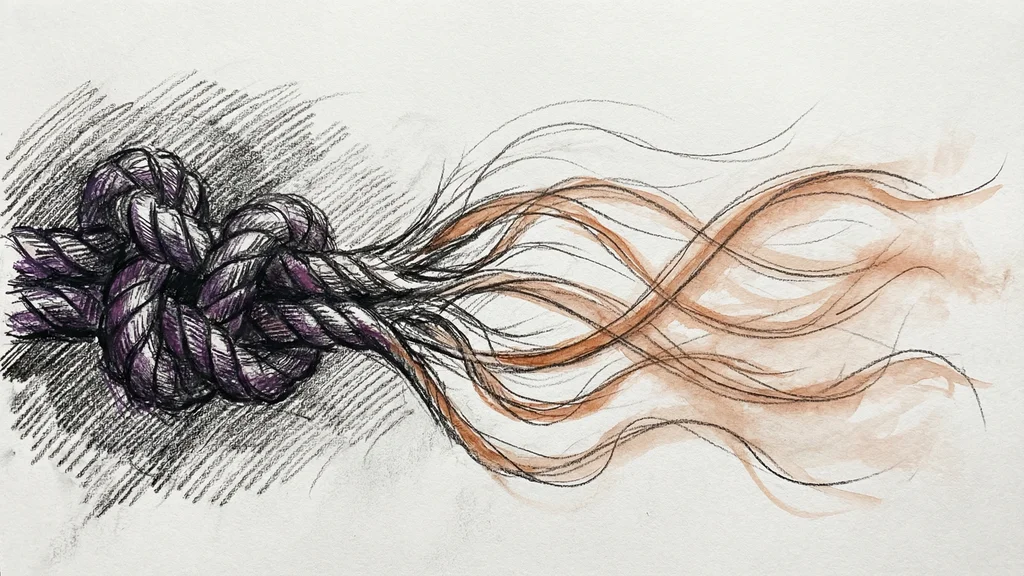
The state of relaxation is much more than just a moment of pause in the hustle of our daily lives. It is a physiological and psychological process in which our body and mind reduce their level of activity and release accumulated tension, allowing us to find our balance and recharge our batteries.
When we are in a state of relaxation, our body responds positively, reducing its level of activity and releasing the tension accumulated in our muscles and physiological systems. Our mind grows quiet, and our emotions become more stable and calm.
This feeling of inner stillness and calm is essential for our general well-being and emotional balance. In a state of relaxation, we feel that we are in harmony with ourselves and with the world around us, which allows us to navigate through life with greater clarity and perspective.
Our body also benefits from this state, because relaxation promotes recovery and regeneration, contributing to improved immune function and a reduced risk of stress-related conditions.
Through the regular practice of relaxation, we can improve the quality of our lives overall. We feel more energetic, more motivated, and better prepared to face life’s challenges.
Moreover, the state of relaxation helps us manage stress and anxiety more effectively, contributing to the maintenance of optimal mental and emotional health. It is an essential framework for rediscovering inner balance and cultivating a happier and more fulfilling life.
What Happens in the Body and Mind?
Biologically, the state of relaxation is characterized by a decrease in sympathetic nervous system activity and an increase in parasympathetic nervous system activity, which counteracts our fight-or-flight response associated with stress. The heart rate slows down, breathing becomes deeper and slower, and blood pressure drops. At the same time, levels of cortisol, the stress hormone, decrease, and the brain releases relaxing chemicals such as endorphins and serotonin, which induce a state of well-being and happiness. Relaxation can also improve blood circulation, breathing, and immune system function.
We cannot discuss the biological perspective without also considering the neurological perspective on the state of relaxation, which offers a deep view into how our body and brain respond to this vital experience. Brain activity measured through Electroencephalography (EEG) reveals alpha waves, indicating a state of inner calm and relaxed wakefulness. At the same time, muscle tension decreases and muscles become more flexible and relaxed, as measured by Electromyography (EMG). The heart rate slows, and blood pressure drops, suggesting a reduction of stress on the cardiovascular system. Breathing becomes deeper and slower, facilitating entry into a state of deep relaxation. Hormone levels also change, with a decrease in cortisol and an increase in serotonin and endorphins, contributing to a general sensation of well-being and happiness.
These neurological signs offer essential clues for evaluating and monitoring the state of relaxation and the progress made in practicing relaxation techniques.
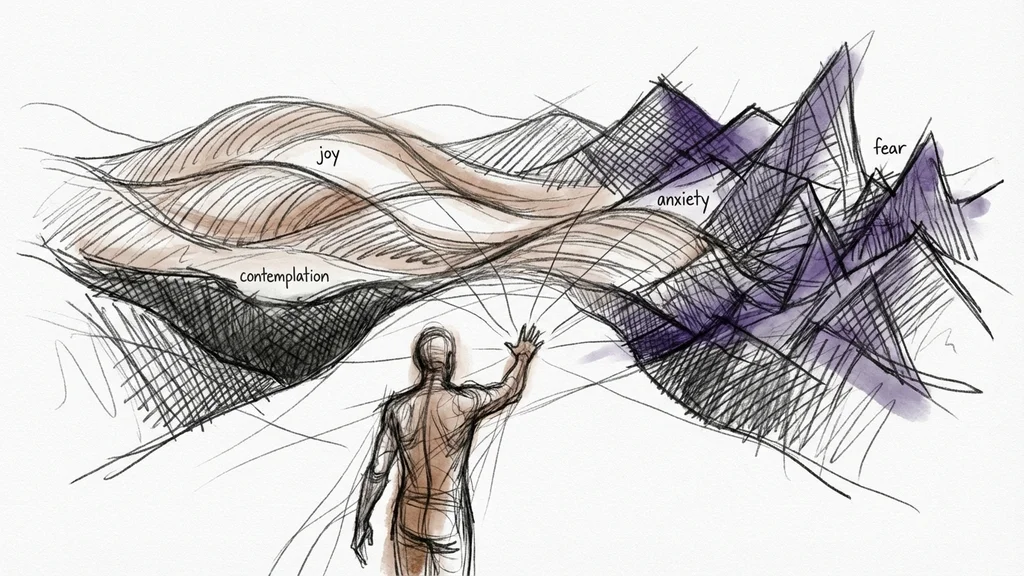
From a psychological perspective, the state of relaxation is associated with a reduction in mental activity and the constant rumination of thoughts. In this state, the mind becomes clearer and more focused, and the level of stress and anxiety drops. Relaxation can also help induce altered states of consciousness, such as the state of flow or a meditative state, which can contribute to greater creativity and mental clarity.
From a social perspective, relaxation allows us to connect more deeply with others and to establish more authentic and healthier interpersonal relationships. When we are relaxed, we tend to be more open, more empathic, and more receptive to the needs and experiences of those around us. This openness and the ability to communicate effectively can contribute to the creation and maintenance of positive and satisfying interpersonal relationships.
Overall, relaxation is an essential aspect of our health and well-being that can help us manage stress better, improve our quality of life, and enjoy a fuller and more authentic life.
How Do We Reach the State of Relaxation?
To reach the state of relaxation, it is essential to adapt our methods to our individual needs and preferences. For some, yoga or meditation may be effective tools, while for others, walks in nature or listening to relaxing music may be more suitable. It is important to give ourselves permission to be here in the present moment and to accept our thoughts and emotions without judgment. By practicing self-compassion and self-love, we can create an inner environment conducive to relaxation and stillness, both internal and external.
Consistency is the key on this journey toward the state of relaxation. Creating a regular schedule for practicing relaxation techniques can strengthen our abilities and make this state easier to access over time. Whether it is a few minutes of meditation each morning or a relaxing walk after work, dedicating time to connect with our own rhythm and needs is essential for encouraging a deep and lasting state of relaxation.
In addition, learning from past experiences and adapting our practices based on what works best for us can be extremely beneficial. Each person has their own rhythm and path on this journey, and accepting this individualized process can contribute to a more authentic and vibrant experience.
Another important aspect in achieving a state of relaxation is our ability to make choices and manage daily responsibilities and challenges. The decisions we make every day, as well as the way we handle tasks and priorities, can significantly influence our stress level and, implicitly, our ability to relax.
Sometimes, postponing decisions or avoiding problems can generate additional tension and compromise our ability to relax. Therefore, in the pursuit of relaxation, it is important to be aware of how we manage our responsibilities and to act proactively to address them in a healthy and effective way.
Through the appropriate handling of decisions and procrastination, we can create an environment more conducive to relaxation and inner balance.
Identifying and Practicing Relaxation as a General State of Well-Being
The regular practice of relaxation techniques helps us become more familiar with the state of relaxation and integrate it into our daily lives. Over time, this state of relaxation becomes easier to identify and achieve, even in stressful or difficult situations.
Once we get used to this attitude of well-being and balance, we can experience a significant shift in how we relate to life and the situations we face. The general state of relaxation becomes a framework within which we can navigate with more confidence and clarity, managing challenges more effectively and pursuing our goals with more determination and focus.
Instead of being dominated by stress and anxiety, we begin to live in harmony with ourselves and with the world around us, cultivating greater happiness and fulfillment in every aspect of our lives.
Therefore, the regular practice of relaxation as a general state of well-being can bring profound and lasting transformations to our lives, helping us live more authentically and with greater fulfillment.
How Relaxation Can Help Us in Various Aspects of Life
- Physical Health: The state of relaxation contributes to maintaining optimal health. A relaxed body is less prone to illnesses and conditions associated with chronic stress, such as high blood pressure, heart disease, and digestive problems.
- Mental Health: Relaxation has a positive impact on mental health as well. It reduces the risk of depression, anxiety, and other psychological disorders, allowing us to manage our emotions more effectively and maintain our inner balance.
- Interpersonal Relationships: When we are relaxed, we are more open and empathic in our relationships with others. We allow ourselves to be more attentive and to connect more deeply with loved ones, strengthening interpersonal bonds and creating an atmosphere of trust and mutual support.
- Productivity and Performance: A relaxed and clear mind is more efficient and more creative. Our ability to concentrate and solve problems is improved, which allows us to be more productive and achieve better results in our daily activities.
- Restful Sleep: Relaxation prepares the ground for restful and rejuvenating sleep. Reducing stress and tension before bedtime can help improve sleep quality and reduce insomnia and sleep disorders.
- General Well-Being: Last but not least, relaxation contributes to a general sense of well-being and contentment in life. It helps us enjoy present moments more and live our lives in a more conscious and meaningful way.
How We Can Integrate Relaxation into Our Daily Routine
- Scheduling Relaxation Time: Set yourself a regular relaxation schedule each day. It can be early in the morning, during work breaks, or in the evening before bed.
- Choosing the Right Techniques: Experiment with various relaxation techniques, such as meditation, deep breathing, yoga, or nature walks, and identify the ones that work best for you.
- Managing Stress: Identify the sources of stress in your life and find ways to manage them more effectively. You can use relaxation techniques to reduce stress and maintain your inner balance.
- Prioritizing Free Time: Give yourself time for pleasant and relaxing activities each day. Find a balance between work and free time to recharge your batteries and maintain your mental and emotional health.
- Consistency and Perseverance: Relaxation is a continuous practice that requires consistency and perseverance. Be consistent in your efforts to integrate relaxation time into your daily routine, and you will see the long-term benefits on your physical and mental health.
Conclusion: An Invitation to a Life Full of Relaxation and Well-Being
In closing, relaxation is an essential component of a balanced and healthy life. Investing the time and effort needed to relax regularly can have a profound impact on your overall health and happiness. It helps us recharge our batteries, release tension, and live in a more conscious and authentic way.
And so, I offer you an invitation to a life full of relaxation and well-being, in which you enjoy every moment and live life to its fullest capacity, in the most authentic way possible.