Repression and the Moments When Relaxation Is Not Recommended
In today’s society, relaxation is frequently presented as an effective remedy for combating the stress and agitation associated with modern life. I myself offer a state association course: Relaxation Mode, through which I try to promote the state of relaxation as a general baseline state.
However, it is crucial to understand that there are circumstances and contexts in which relaxation can have adverse effects or become counterproductive.
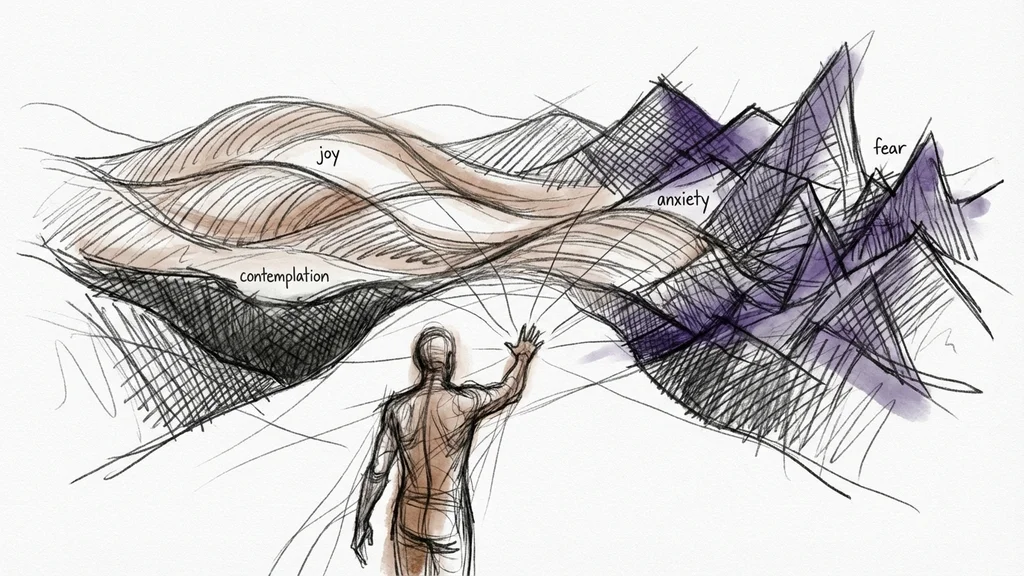
It is essential to find a balance between relaxation and vigilance, between expressing emotions and self-control. Finding this balance allows us to manage our emotions effectively and act appropriately in different life situations.
It is important to be aware of our own needs and limits and to adapt our behavior accordingly.
In this article, we aim to analyze in detail the moments when relaxation is not recommended and the reasons behind these situations. We will also offer practical advice and recommendations for recognizing these moments and successfully navigating through them.
Situations when it is not optimal to relax:
- Emergency and Crisis: During periods of emergency and crisis, excessive relaxation can lead to neglecting responsibilities and losing valuable time. It is important to be alert and ready to act in such moments, in order to manage the situation effectively and minimize negative consequences.
- Tight Deadlines: When you have tight deadlines or urgent tasks, prolonged relaxation can lead to delays and undermine your performance. It is essential to be aware of the time available and organize your activities accordingly, prioritizing actions that require immediate attention.
- Conflict and Tension: During conflicts or tense situations, excessive relaxation can be misinterpreted or perceived as indifference or lack of involvement. In such moments, it is important to be present and express your opinion clearly and respectfully.
- Imminent Danger: If you find yourself in a situation of imminent danger or surrounded by serious stress factors, excessive relaxation can inhibit your ability to react quickly and efficiently. It is essential to remain vigilant and act promptly to protect yourself and minimize risks.
- Specific Medical Conditions: In the case of specific medical conditions, such as certain anxiety disorders or depression, excessive relaxation can worsen symptoms and lead to a loss of emotional control. It is important to consult a specialist and follow an appropriate treatment plan to manage your condition effectively and healthily.
In some situations, relaxation can be used as a form of emotional suppression. When we avoid confronting certain problems or unpleasant emotions, we may turn to relaxing activities to distract ourselves and relieve stress. However, this approach can lead to the accumulation and repression of negative emotions, which remain unresolved and may surface later in the form of anxiety or depression.
How to Identify the Right Situations for Relaxation:
- Evaluating the Context and Importance of the Situation: Depending on the context and demands of the situation, you can decide whether it is appropriate to relax or not. It is essential to be aware of the impact of your actions on outcomes and on your relationships with those around you.
- Responsibility and Commitment: Understand when it is necessary to be present and involved and to act responsibly. Make sure you fulfill your obligations and take responsibility for your actions.
- Listening to Your Body and Mind: Observe how your body and mind react in different situations and learn to identify signals of stress or tension. Pay attention to your needs and act accordingly to maintain your balance and overall well-being.
Repression:
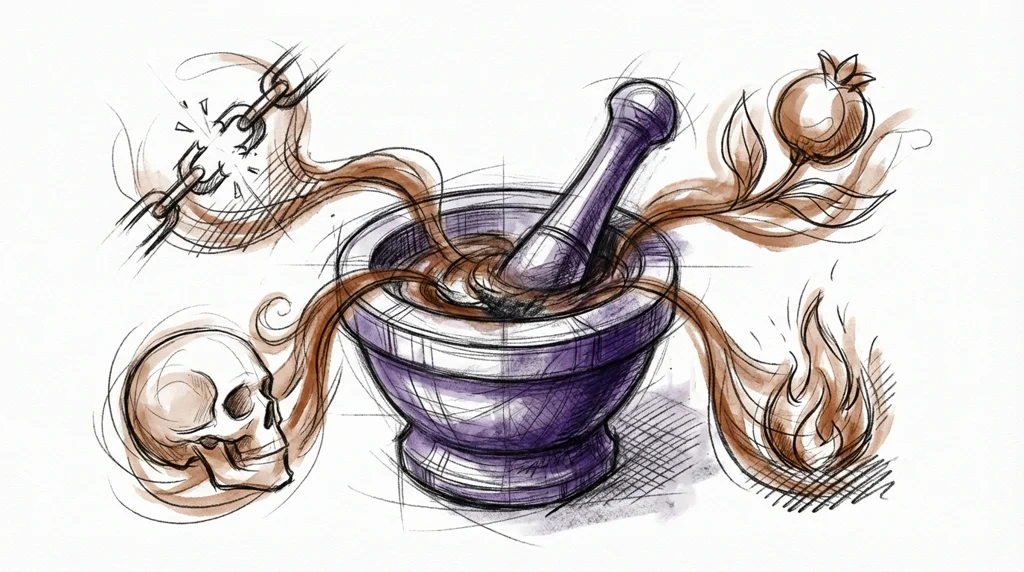
Repression is a psychological concept that refers to the mechanisms by which a person suppresses or represses certain thoughts, emotions, or impulses into their subconscious. This process can happen involuntarily and can be the result of the psyche’s defense mechanisms for coping with stressful situations or trauma.
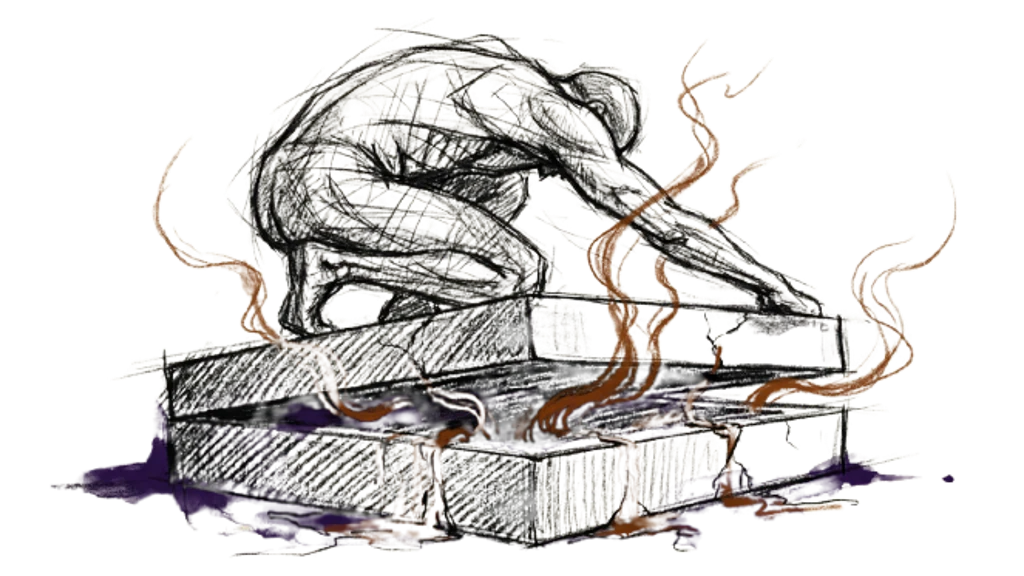
In the context of our article, repression can play a significant role. When a person represses certain emotions or states, these can be transformed into latent tension or anxiety, which can be difficult to detect consciously. In such situations, relaxation can be contraindicated because it may allow these repressed emotions or impulses to surface in an uncontrolled and disruptive way.
Moreover, persistent repression of certain aspects of the self can lead to long-term emotional or psychological disorders, such as depression, anxiety, or compulsive behaviors. These disorders can negatively affect quality of life and an individual’s ability to relax and cope with stress effectively.
It is important to be aware of our defense mechanisms and their impact on our state of relaxation and overall well-being. In some cases, it is necessary to work with a therapist to explore and better understand the repressed aspects of our self and how they influence our mental and emotional health. Through awareness and exploration of these aspects, we can develop healthy strategies for managing emotions and stress, allowing us to relax in an authentic and balanced way. This may include stress management techniques such as meditation, conscious breathing, hypnosis, or cognitive-behavioral therapy, which can help us identify and manage repressed emotions and impulses in a constructive and healthy manner.
Within therapy, relaxation techniques such as meditation and deep breathing are often integrated into the process of becoming aware of and exploring emotional repression. By practicing these techniques in a safe and supportive environment, individuals can learn to quiet their mind and body and become more aware of repressed emotions and traumas. This awareness can be an important first step in releasing repression and in the process of emotional healing.
Conclusion
Despite its benefits, relaxation is not always the optimal solution. It is important to be aware of the moments and situations in which it is necessary to be vigilant and remain alert.
By understanding the warning signs and situations, you can make informed and healthy decisions for your overall well-being.
It is essential to find the balance between relaxation and responsibility, in order to grow and adapt effectively and harmoniously in the face of life’s challenges.
As a specialized psychotherapist, I am here to offer you a safe and accepting space in which to explore these aspects in depth and find ways to manage them in a healthy and constructive manner.
Through therapy, you can learn to connect better with your own emotions, identify and overcome emotional blockages, and free yourself from the burden of repression.
Do not hesitate to contact me to begin this process of healing and transformation together.