Tetrapharmakos: Discover the Fundamental Principles of Epicurean Philosophy
Epicurean philosophy, founded by Epicurus (341-270 BCE), promotes a way of life focused on achieving happiness and inner peace through the satisfaction of natural needs and the avoidance of unnecessary fears and suffering.
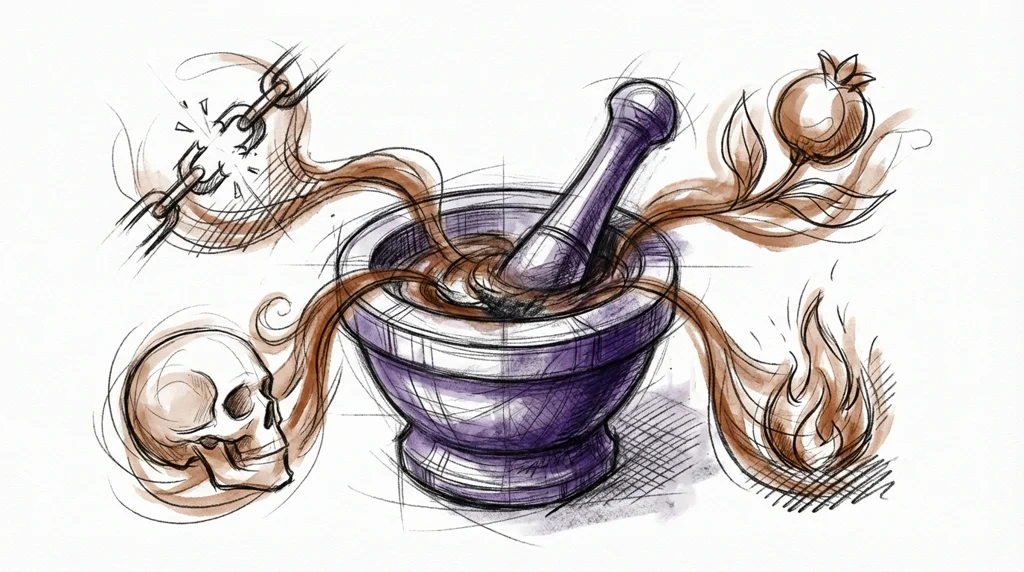
Tetrapharmakos, also known as “The Four Remedies,” represents the backbone of this philosophy, offering simple and profound principles to guide us in the pursuit of happiness.
In this article, we will explore each principle of the Tetrapharmakos and how they correlate with the state of relaxation and modern psychotherapy.
“The wisest man is the one who fears what is least painful.”
— Epicurus
Tetrapharmakos, also called “The Four Remedies,” are four maxims or rules formulated by the philosopher Epicurus that encourage a simple and balanced approach to life. These principles are designed to offer a simple and practical approach for navigating life’s challenges and finding inner peace and happiness amidst the agitation of everyday life.
1. Do not fear the gods
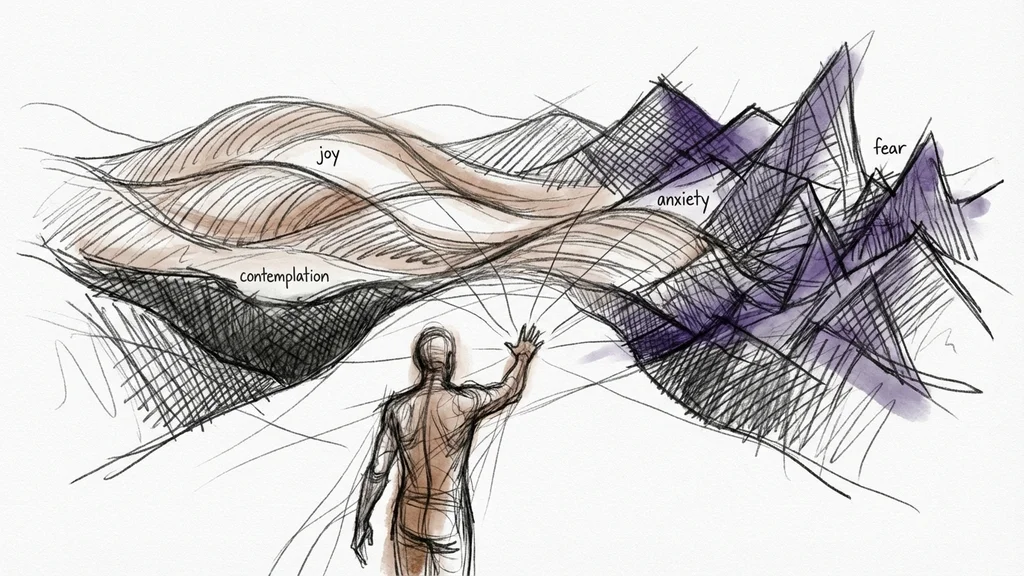
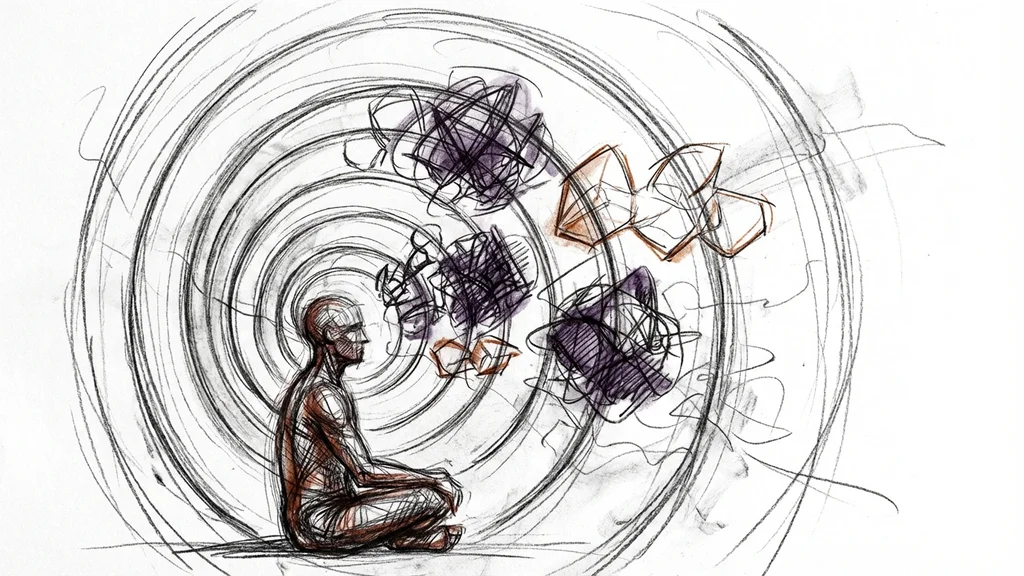
The first principle urges us to free ourselves from the fear of gods or divine intervention in our lives. This does not necessarily mean denying the existence of divinity, but rather accepting the idea that we should not feel subjugated or controlled by external forces. In psychotherapy, this idea can be translated into an acceptance of things that are beyond our control and a focus on what we can influence in our lives. Thus, by freeing ourselves from anxieties related to external factors, we can access a state of relaxation and confidence in our own abilities.
2. Do not fear death
The second principle invites us to accept the inevitability of death and to regard it with peace and understanding. In psychotherapy, exploring the fear of death can be a crucial aspect of personal development and anxiety management. Through awareness and acceptance of the inevitable nature of death, we can learn to live in the present and appreciate each moment with greater depth and gratitude.
3. What is pleasant is easy to obtain
The third Epicurean principle urges us to seek pleasure and satisfaction in the simple and natural things of life. In psychotherapy, this can mean rediscovering and appreciating the small daily joys, such as moments spent with loved ones or activities that bring us inner peace and happiness. By cultivating an attitude of appreciation and gratitude for the simple pleasures of life, we can experience a constant state of relaxation and contentment.
4. What is painful is easy to endure
The last principle urges us to accept the inevitable pains and sufferings of life with patience and wisdom. In psychotherapy, this can be interpreted as an encouragement to develop an attitude of resilience and acceptance toward life’s challenges and difficulties. Through awareness and appropriate management of negative emotions, we can discover that we are stronger than we think and that we have the necessary resources to face any situation.
Tetrapharmakos, with its four principles, represents a beacon of light in our search for balance and happiness in life.
These teachings can be put into practice in daily life to guide us toward a more fulfilled and satisfying existence, like this:
Acceptance:
Freeing ourselves from the fear of gods and death allows us to live in the present, to accept things as they are, and to focus on what we can control. In daily life, we can practice this acceptance by becoming aware of and setting aside unnecessary worries and fears, focusing on the aspects that bring joy and fulfillment to our lives.
Joy in Simplicity:
Seeking pleasure in the simple and natural things of life can offer us a constant state of happiness and contentment. In practice, we can cultivate this attitude by enjoying the small moments of everyday happiness, such as a sunrise, a meaningful conversation, or a walk in nature.
Resilience and Acceptance:
Accepting pain and suffering helps us become more resilient and stronger in the face of life’s challenges. Every day, we can practice this resilience by appropriately managing negative emotions and seeking constructive solutions to overcome the obstacles we encounter.
In psychotherapy, these principles can serve as essential guides for personal development and for managing stress and anxiety.
By applying these principles in daily life, we can create a solid framework for personal development and for achieving a lasting state of inner balance and happiness.
With each step on this journey, we are led closer to realizing our potential and to living a fulfilled and authentic life.